
2025 2nd International Conference on Modeling, Natural Language Processing and Machine Learning (CMNM 2025)
16-18, May, 2025 Fuzhou, China
2025 2nd International Conference on Modeling, Natural Language Processing and Machine Learning (CMNM 2025), hosted by Yango University, co-organized by Key Laboratory of Spatial Data Mining & Information Sharing of Ministry of Education (Fuzhou University), and supported by Shenzhen University, was successfully held in Fuzhou during May 16-18, 2025.
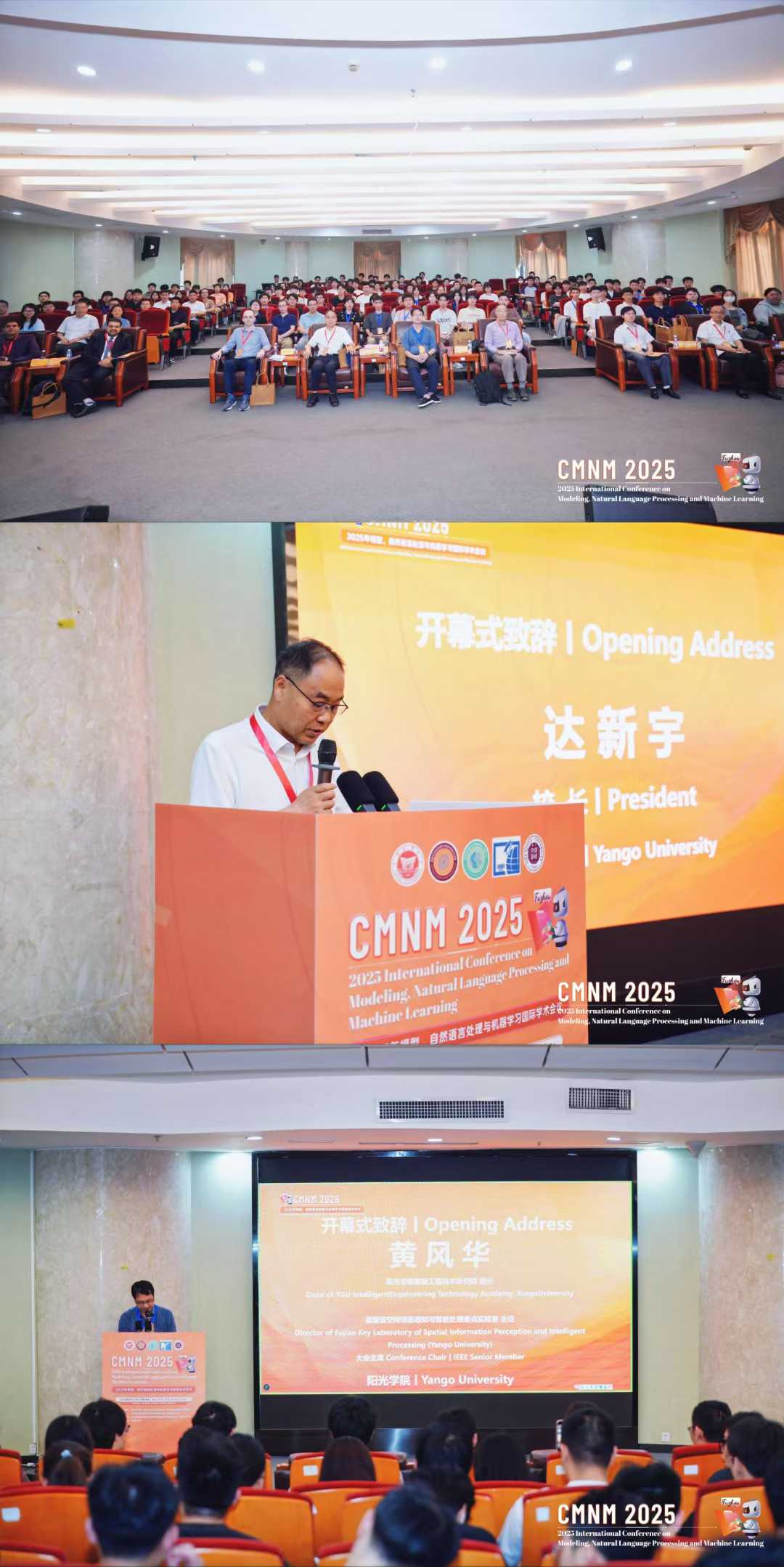
The conference was hosted by Ms. Jia Yang from Yango University. Mr. Xinyu Da, President of Yango University, and Professor Fenghua Huang, Dean of the Institute of Intelligent Engineering and Technology of Yanggo University and Director of Fujian Key Laboratory of Spatial Information Perception and Intelligent Processing, delivered opening remarks and extended a warm welcome to all participants.
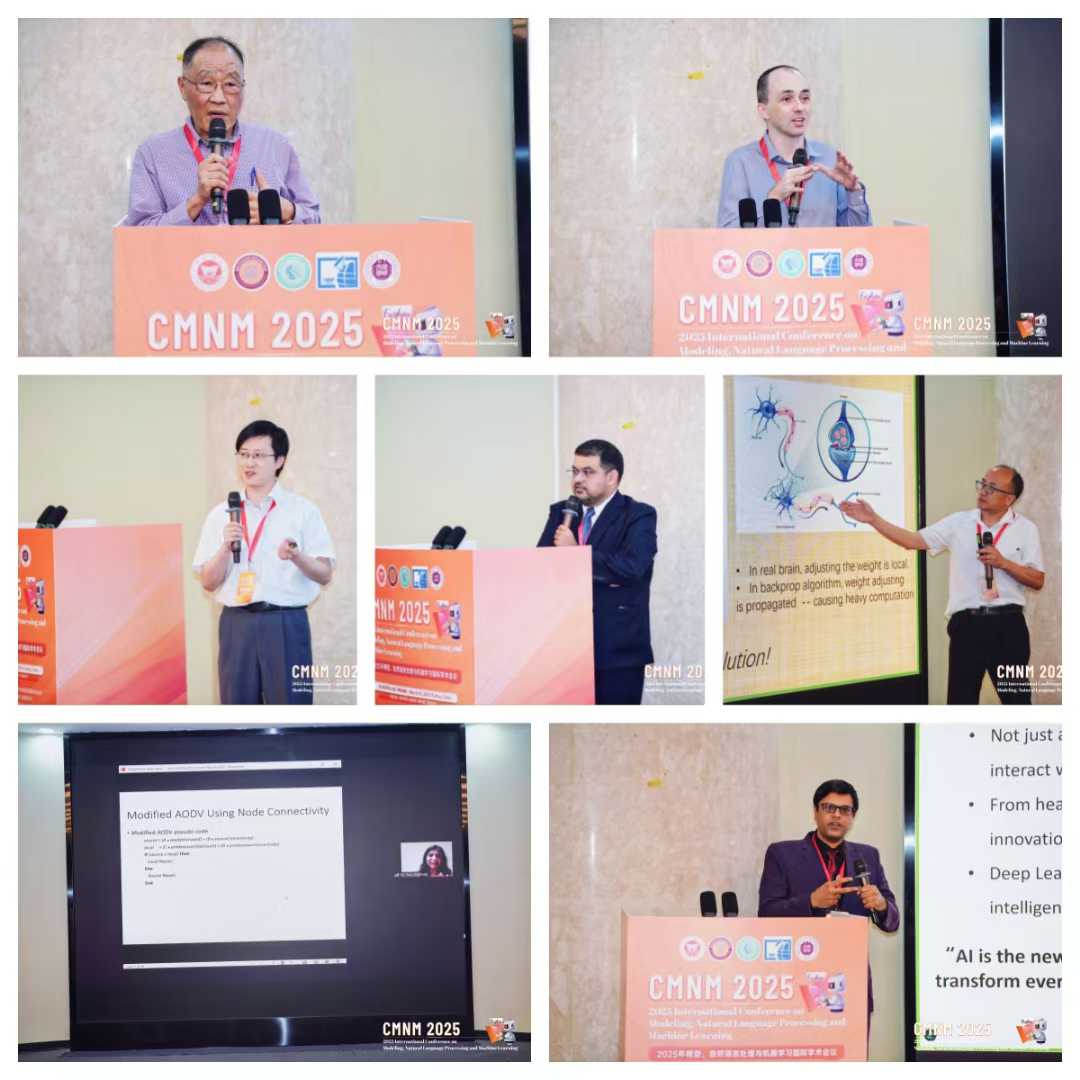
Seven distinguished experts were invited to deliver keynote speeches, including Professor Zhongyong Qi (IEEE Fellow, AAIA Fellow) from National Tsing Hua University, Professor Anu Gokhale (IEEE Senior Member) from St. Augustine’s University, Distinguished Professor Philippe Fournier Viger from Shenzhen University, Professor Xingsi Xue from Fujian University of Technology, Associate Professor Ata Jahangir Moshayedi from Jiangxi University of Science and Technology, Associate Professor Xiaosen Li from Yango University, and Associate Professor Adeel Akram from Yango University. Focusing on modeling, natural language processing and machine learning, the seven experts shared the latest research advances in relevant fields.
Approximately more than 100 experts, scholars, international students and postgraduates from universities in China, the United States, Croatia, Iran, Pakistan and other countries attended the conference. Participating domestic universities included Northeast Petroleum University, China University of Petroleum, Beijing, National University of Defense Technology, Changchun University of Science and Technology, Chang’an University, and so forth. The conference consisted of three sessions: keynote speeches, oral presentations and poster exhibitions. It brought together scholars from numerous universities at home and abroad. With vigorous on-site discussions, experts and scholars had in-depth exchanges, which boosted international academic communication and cooperation in computer science, artificial intelligence and other related research areas.
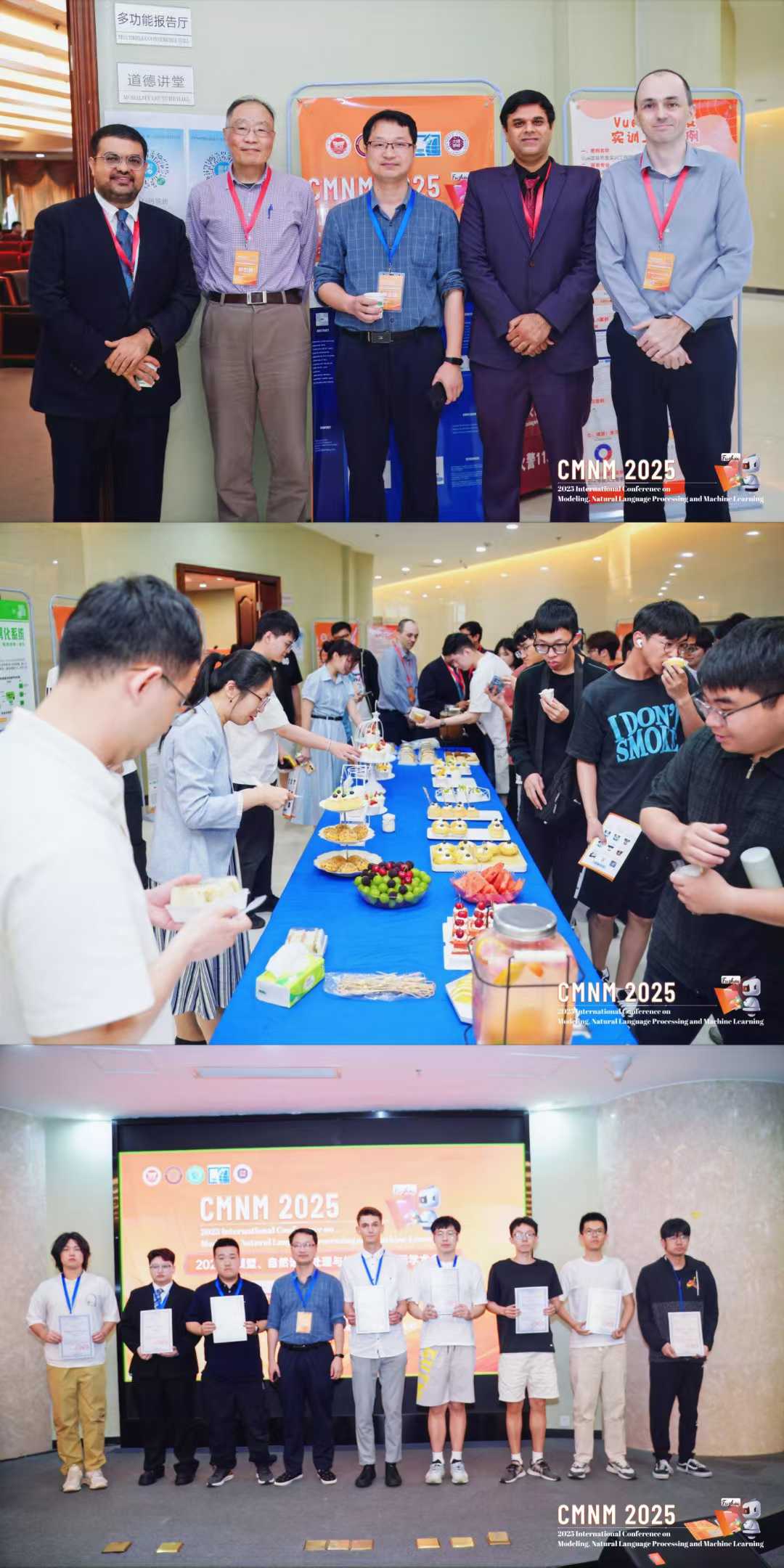
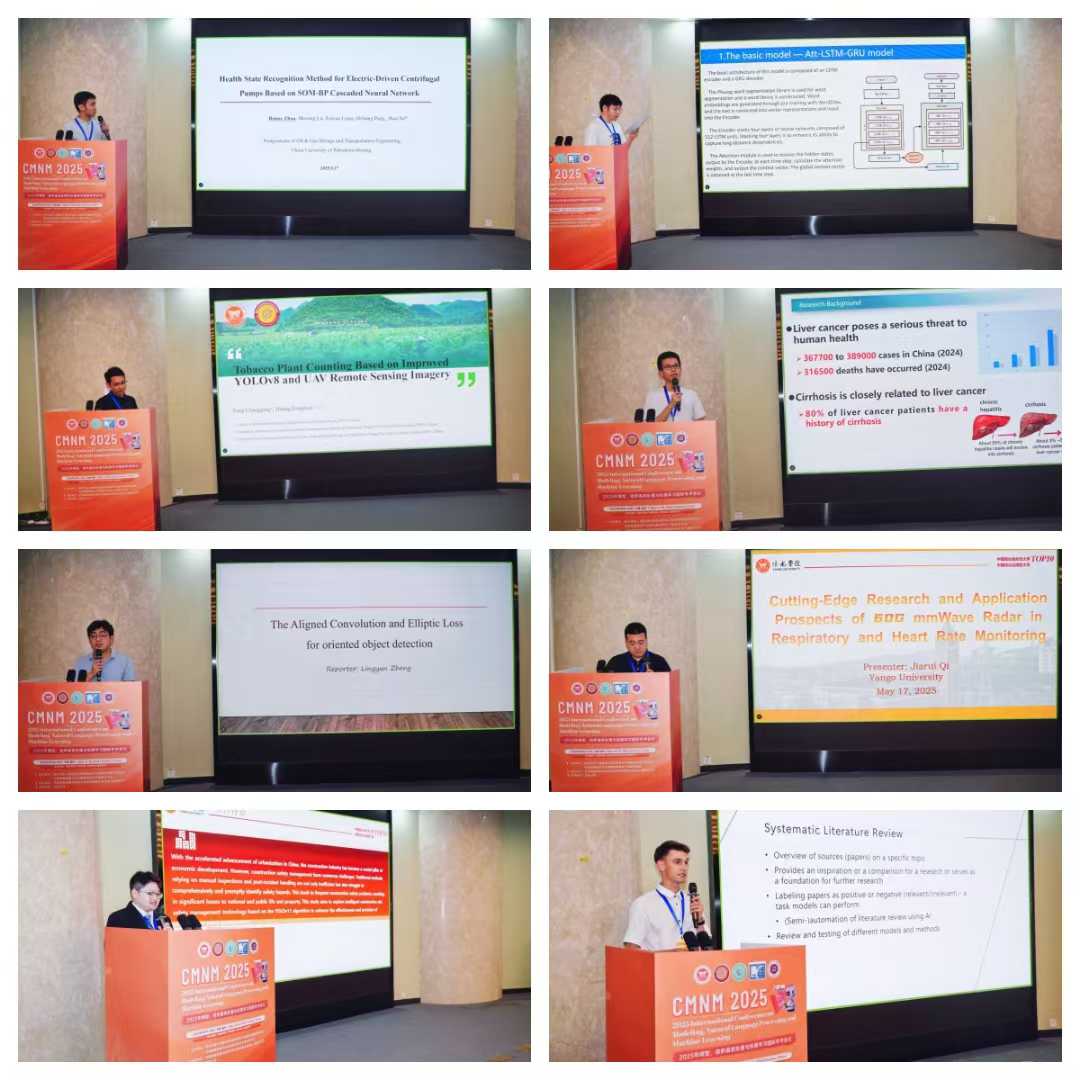
Boasting fruitful on-site interactions and in-depth discussions among domestic and international participants, the event turned out to be a high-level, international and forward-looking academic feast. It facilitated international academic exchange and cooperation in the research fields of models, natural language processing and machine learning.